Start with the mileage and the condition
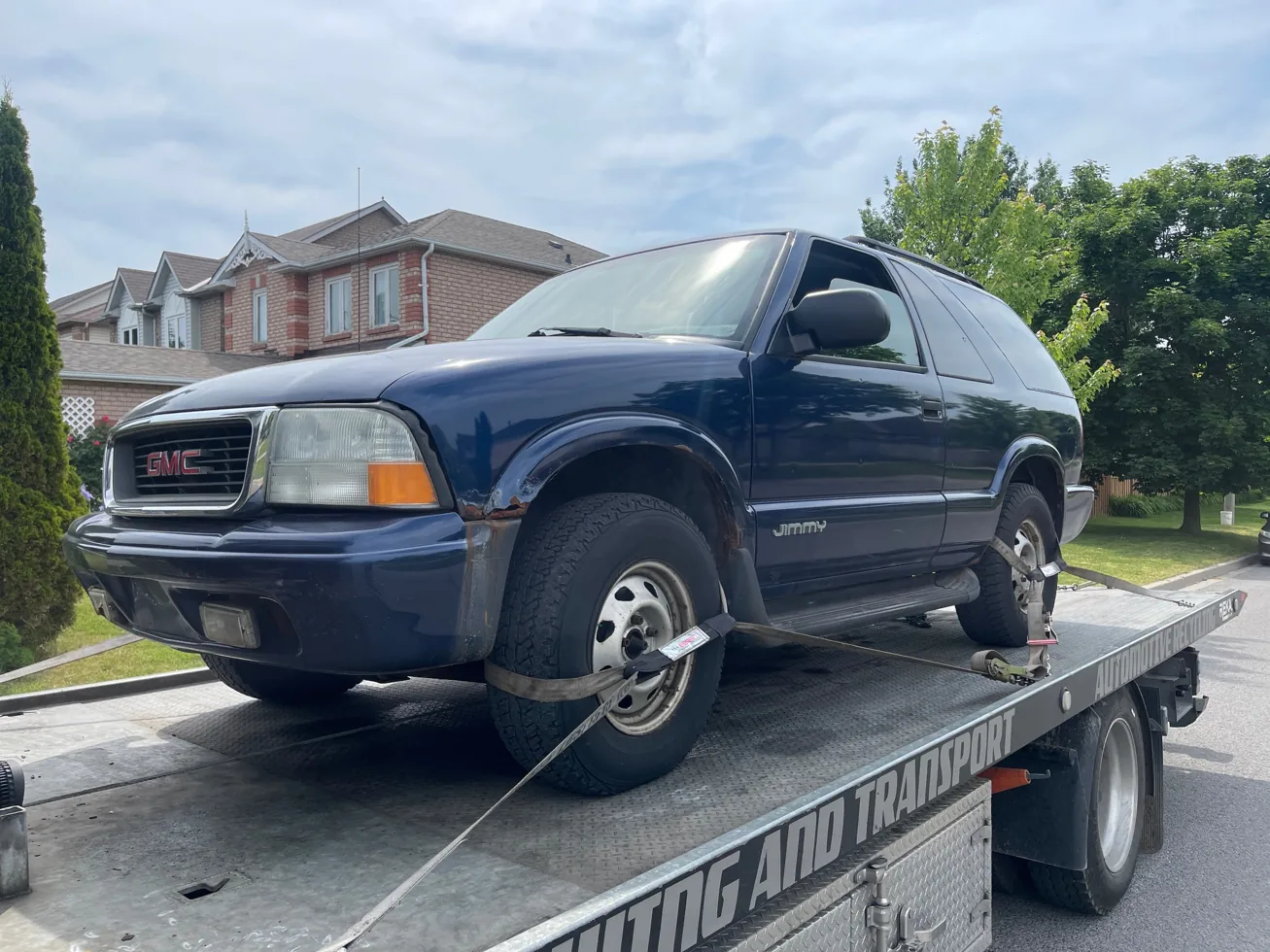
An odometer reading helps tell two cars of the same year apart. A lower-mileage car can still have value as a used vehicle or as a source of usable components, depending on its condition. That number means less if the underside has serious rust or the engine has failed. Tell us if the reading is approximate, if the dashboard displays miles rather than kilometres, or if the battery is dead and you cannot read the display.
Tell us what is still on the vehicle
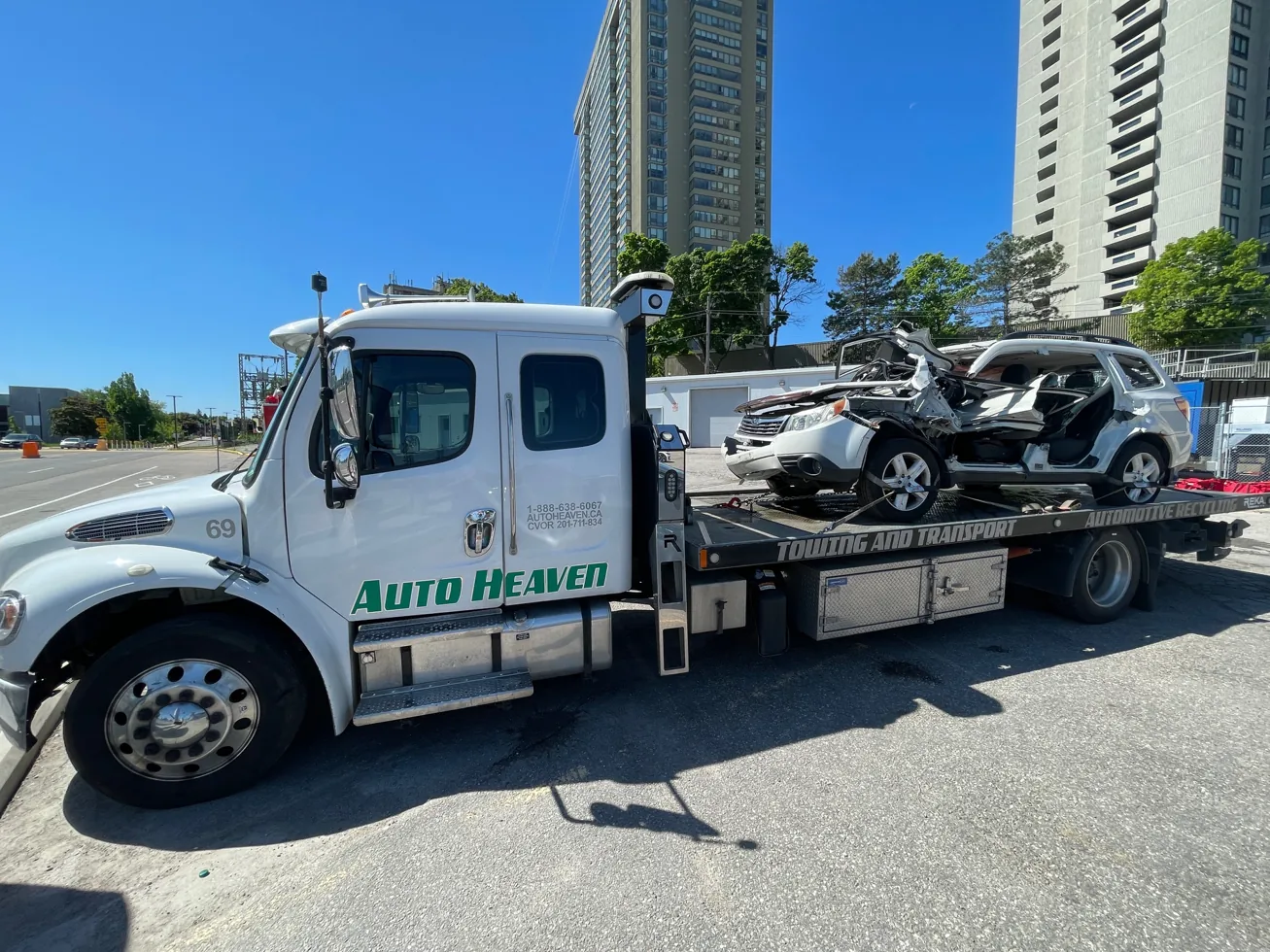
Missing wheels, an engine, a transmission or a catalytic converter can change both the offer and the pickup plan. Tell us what a shop removed and whether those parts are still with the vehicle. If it has mismatched wheels, a damaged axle or locked steering, include that too. The person assessing the vehicle can then account for what remains, and dispatch can plan how to load it.
Separate resale value from parts and metal
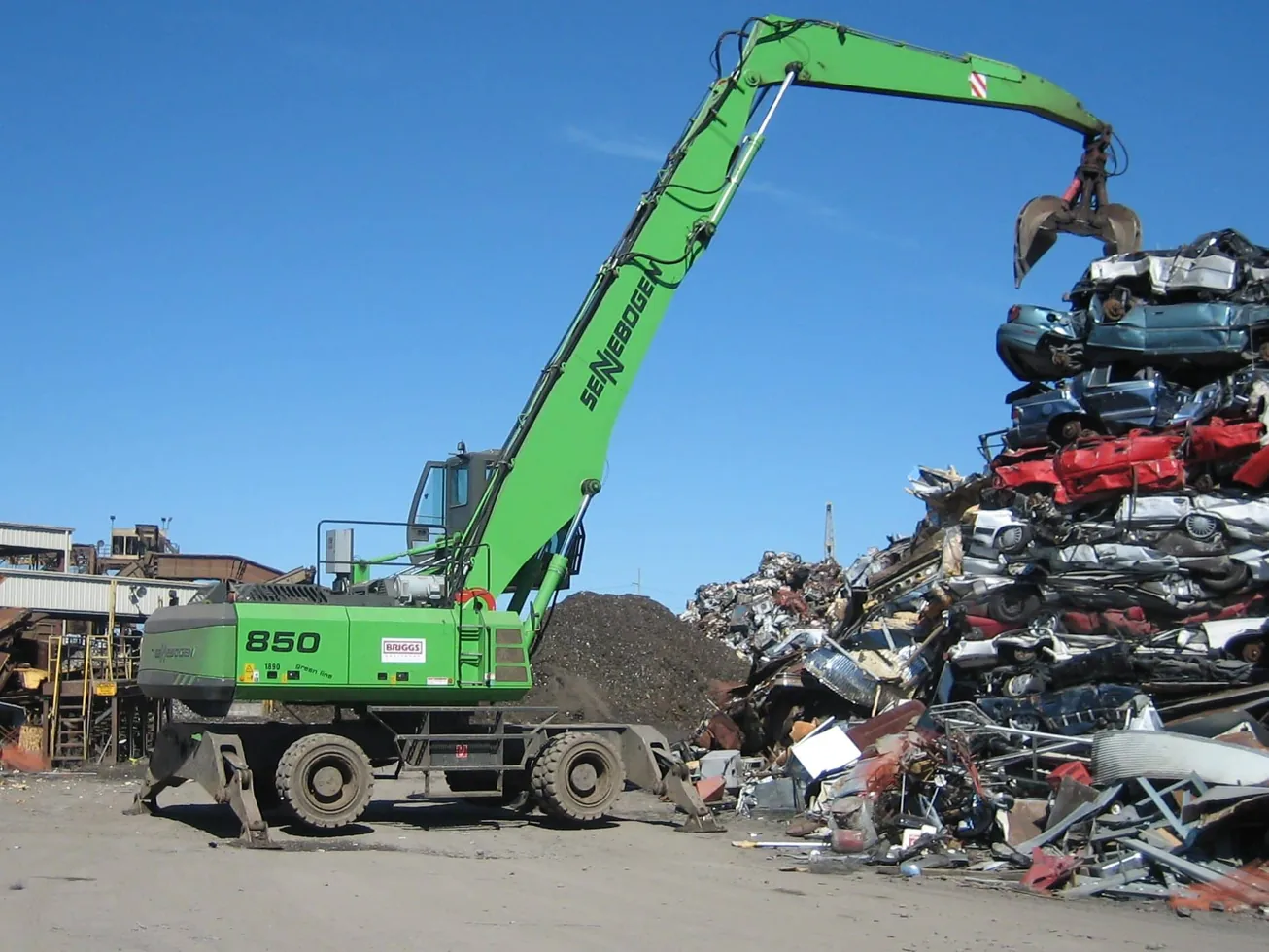
A car does not lose all its value when a repair becomes too expensive. Usable doors, drivetrain components and electronics may have demand. If a vehicle is at the end of its life, the value of its recoverable materials also matters. Those markets change, so a payout someone received last summer does not set today’s price. Send your actual vehicle details and compare the amount each buyer would pay you at handoff.
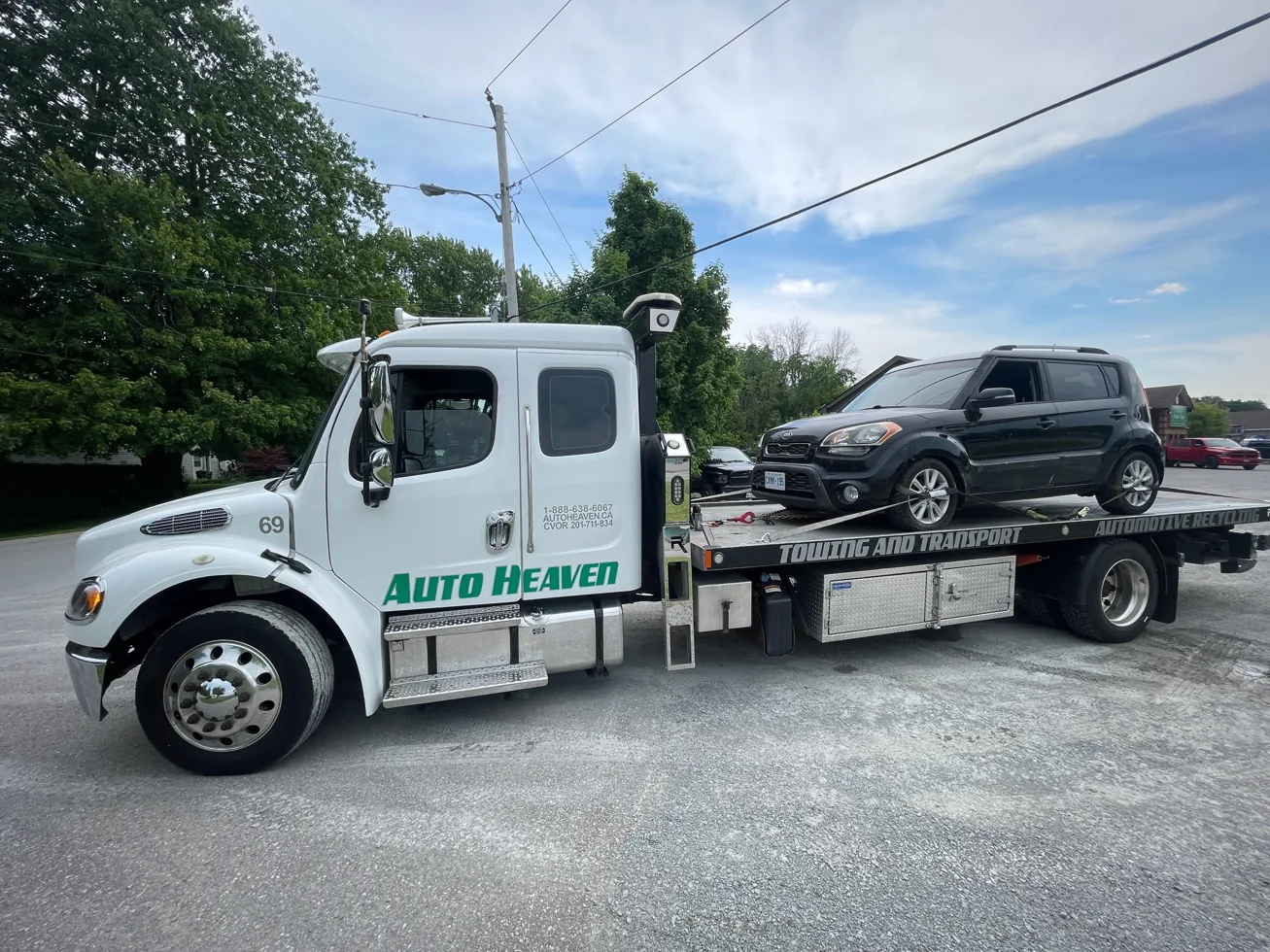
Explain where we need to collect it
An open driveway and a car that rolls take a different plan from a broken vehicle in a low garage. Share a pickup address or postal code, and add the street access, parking level or gate instructions if the site is tricky. If a repair shop has the keys, ask when the lot is open and who must authorize release. We can then confirm the pickup terms with you before sending a driver.